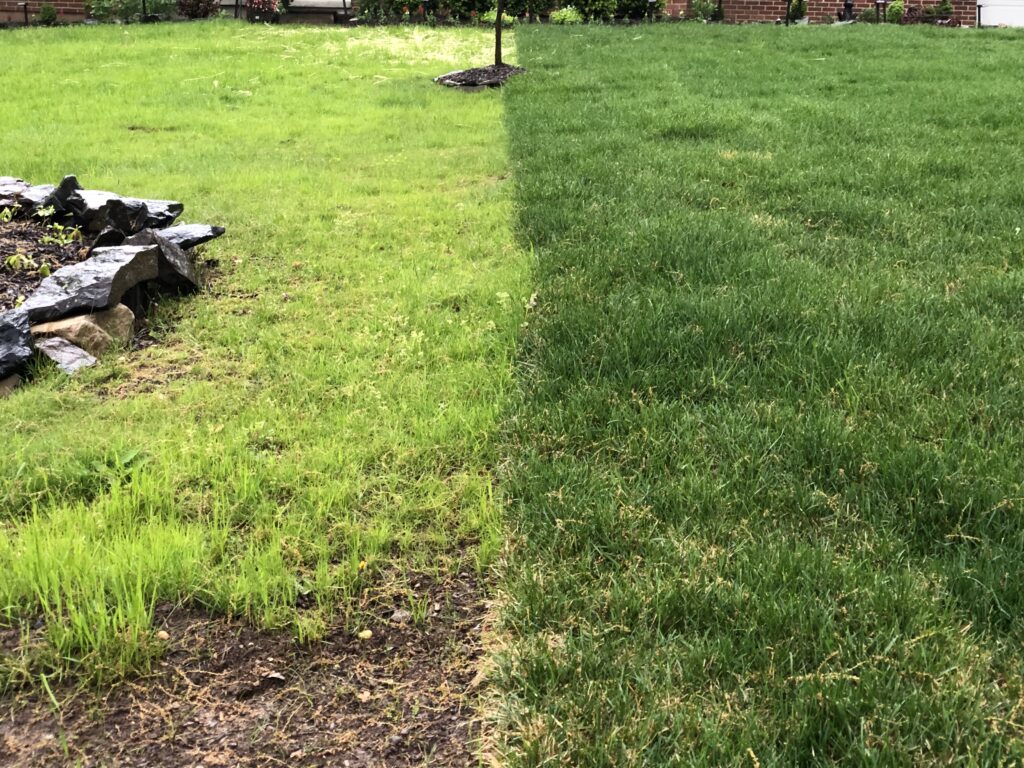
Quick answer: Seed generally has the lower initial cost. Sod buys faster coverage, but it does not eliminate soil preparation or establishment care. Compare the same lawn area and preparation scope, then add watering, maintenance and possible repairs—not just seed bags versus sod pallets. Virginia Cooperative Extension notes that erosion, weeds and reseeding can narrow seed’s initial cost advantage. (pressbooks.lib.vt.edu)
This guide uses Virginia and nearby Mid-Atlantic extension guidance, with Richmond-area advertised prices checked November 29, 2026, in U.S. dollars. The prices are purchasing examples, not regional averages or complete contractor estimates. (crosscreeknursery.com)
1. Choose suitable grass and a workable planting window first
Decide which grass fits your location before comparing installation methods. Virginia has both warm-season and cool-season lawn options; their establishment calendars differ. A seed-versus-sod comparison is most useful when both options involve suitable grasses rather than whichever product happens to be cheapest. (pressbooks.lib.vt.edu)
For Virginia’s cool-season grasses, including tall fescue, Virginia Cooperative Extension identifies late summer through mid-fall as the preferred establishment period. Sod establishment also benefits from those conditions. Ask your local extension office to narrow that window for your elevation and location. (pubs.ext.vt.edu)
Use these questions to frame your choice:
- Can you wait for seeded coverage to develop?
- Can someone monitor moisture throughout establishment?
- Does the project need faster visible coverage?
- Is erosion exposure significant enough to require a separate stabilization plan?
Seed starts cheaper, but Virginia Extension warns that seeded areas face greater erosion and weed pressure than sod. Treat those risks as budget questions, not reasons to assume either method will succeed automatically. (pressbooks.lib.vt.edu)

2. Keep removal, soil testing and preparation comparable
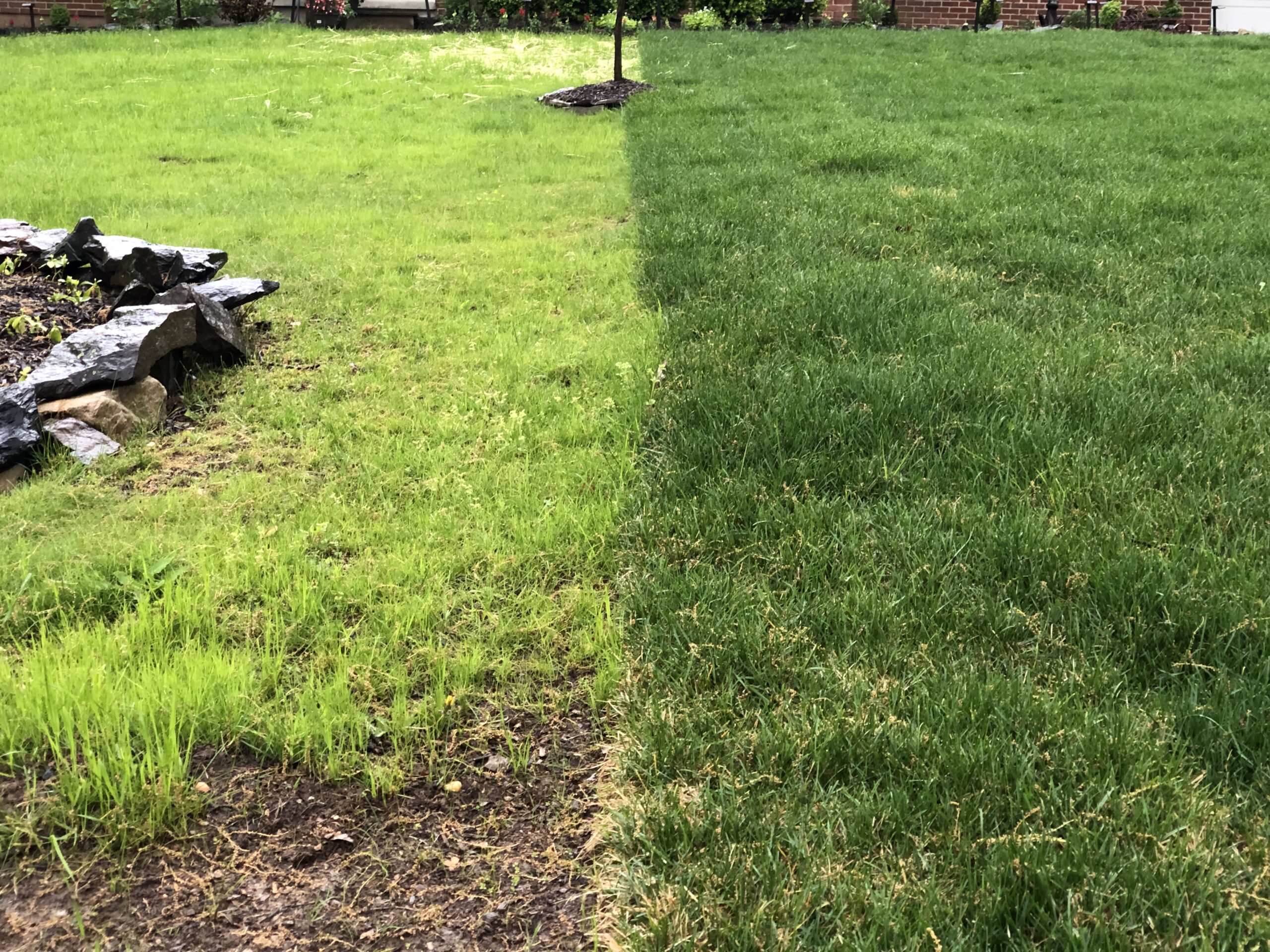
Do not compare a seed quote that includes preparation with a sod quote that assumes a ready-to-plant surface—or the reverse. Virginia Extension states that the basic soil-preparation requirements do not differ between the two methods. (pressbooks.lib.vt.edu)
Request separate prices or clearly defined allowances for:
| Preparation item | What the estimate should clarify |
|---|---|
| Existing vegetation | What stays, what is removed and how debris is handled |
| Soil testing | Who collects samples and interprets recommendations |
| Soil improvement | Materials, quantities and the conditions requiring them |
| Surface preparation | Area covered and the intended finished condition |
| Access and cleanup | Equipment access, protection and debris removal |
Base lime and nutrient decisions on testing rather than automatically buying a standard amendment package. University of Maryland Extension also advises correcting compaction and drainage problems before repairing declining turf. (extension.umd.edu)
For a new construction lawn, request an assessment of the soil actually left on site. For an existing lawn, ask whether the healthy grass can remain. Sparse turf may be repairable through overseeding; a complete renovation is a different scope with different removal costs. Maryland Extension suggests considering an overhaul when weeds occupy more than about half the lawn. (extension.umd.edu)
Practical check: If either estimate includes grading or drainage changes, request a separate description and price. Do not let substantial site correction disappear inside a vague “lawn preparation” allowance.

3. Read local prices as purchasing examples, not installed totals
Two Richmond-area listings illustrate the material-cost gap:
| Advertised item | Listed price | Important limitation |
|---|---|---|
| Cross Creek River City grass seed, 10-pound bag | $39.99 | A blend of tall fescue and other cool-season grasses; verify its new-lawn application rate |
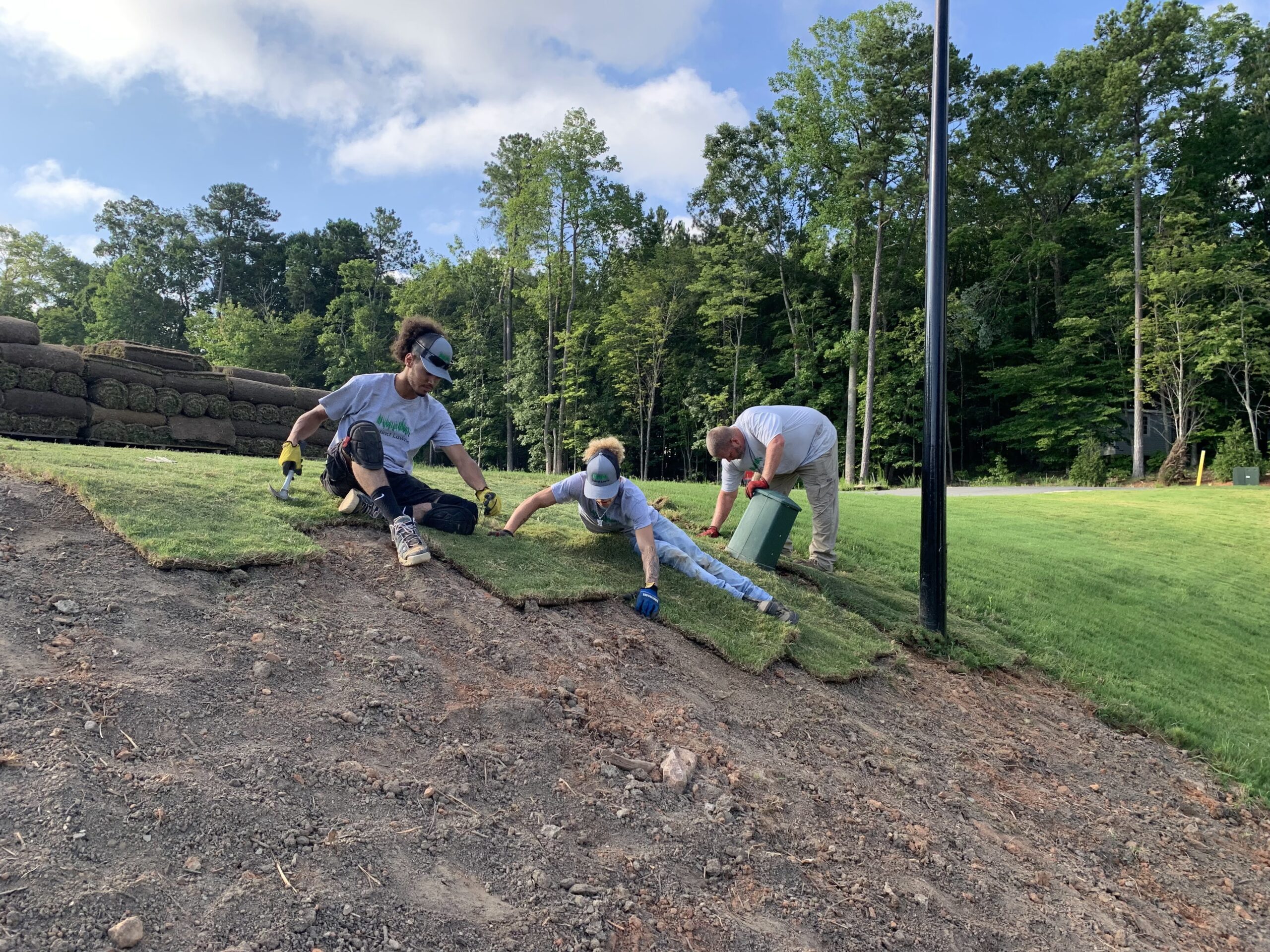
| USA Sod tall fescue, approximately 450 square feet per pallet | $395 per pallet | Full-pallet minimum; advertised delivery is $200 per order |
These listings were checked November 29, 2026. Confirm current price, availability, coverage, taxes and delivery eligibility before ordering. They are not endorsements or proof that the seed blend and sod contain equivalent cultivars. (crosscreeknursery.com)
Keep three different numbers separate:
- Material cost: seed or sod purchased.
- Installation cost: preparation, materials and paid installation.
- First-year cost: installation plus establishment care, routine maintenance and repairs.
A bag price is not an installed seed price. Likewise, delivered sod is not a completed lawn budget.
4. Build an equal-area worksheet, then test the quantities
Give every bidder the same measured planting area. Keep your labor separate from cash spending so a DIY option does not appear effortless simply because you are not paying someone else.
| First-year budget line | Seed option | Sod option |
|---|---|---|
| Measured planting area | ___ sq. ft. | Same area |
| Removal and disposal | $___ | $___ |
| Soil test and recommended preparation | $___ | $___ |
| Seed or sod purchase | $___ | $___ |
| Delivery or collection | $___ | $___ |
| Installation labor or equipment hire | $___ | $___ |
| Temporary watering equipment or irrigation repairs | $___ | $___ |
| Establishment water and paid care visits | $___ | $___ |
| Routine first-year maintenance | $___ | $___ |
| Repair allowance | $___ | $___ |
| First-year cash budget | $___ | $___ |
| Your own labor | ___ hours | ___ hours |
Worked example: a new 1,000-square-foot lawn
Assume an illustrative 1,000-square-foot planting area, before any site-specific extras.
Virginia Extension’s maintenance calendar gives a tall-fescue establishment rate of 6–8 pounds per 1,000 square feet. That is a quantity-planning reference, not a substitute for the selected blend’s label. (pubs.ext.vt.edu)
For a purchasing illustration, if the chosen seed blend’s new-lawn rate confirms that one 10-pound bag covers the area, the listed seed purchase would be $39.99, before tax or collection costs. (crosscreeknursery.com)
At the sod listing’s approximate coverage:
- 1,000 ÷ 450 = 2.22 pallets.
- Whole-pallet purchasing therefore requires three pallets.
- Three × $395 + $200 delivery = $1,385 before tax, excluding installation and care. Confirm actual pallet coverage and cutting needs. (shop.usasod.com)
Neither subtotal is a first-year total. Enter preparation, labor, water and repairs before making the decision.
Worked example: a patchy existing lawn
Now assume the yard totals 1,000 square feet but has only 200 square feet of bare patches.
At the same tall-fescue establishment reference rate, those bare patches correspond to 1.2–1.6 pounds of seed. Do not apply that calculation to overseeding the whole lawn; that is a different treatment area and application rate. (pubs.ext.vt.edu)
For sod, the listed full-pallet minimum plus delivery would be $595 before tax, despite the smaller repair area. Ask other suppliers whether smaller quantities are available rather than assuming every business uses that minimum. (shop.usasod.com)
The key decision is whether you need patch repair, whole-area overseeding or full replacement. Price those scopes separately.
5. Budget watering as both a utility expense and a responsibility
Neither method is a buy-and-forget option. Maryland Extension advises keeping newly planted lawns moist without saturation: seedlings may need several light irrigations daily for several weeks, while sod may need daily watering during its first two to three weeks. Weather and soil conditions change those needs. (extension.umd.edu)
Before installation, assign responsibility for:
- Checking moisture and adjusting watering.
- Moving hoses or portable sprinklers.
- Covering absences and equipment failures.
- Recording water use and paid care visits.
For a useful cost estimate, ask your utility which variable charges apply to additional irrigation use. Then use:
Additional billed water units × applicable variable charge per unit
Add any other usage-based charges that actually apply to your account. Leave the figure unresolved until the tariff and likely use are known; a generic dollar allowance can create false confidence.
Ask the installer for an establishment plan that explains how watering changes as roots develop. Do not treat a fixed timer setting as the whole plan.
6. Separate mowing readiness from permission to use the lawn
Faster green coverage is not the same as fully established turf. Maryland Extension recommends judging establishment by rooting resistance. Under favorable growing conditions, seeded lawns typically begin mowing around four to six weeks after seeding, but growth and anchorage—not the calendar alone—should guide the decision. Its tall-fescue example is to mow at about 4 inches, cutting back to 3 inches. (extension.umd.edu)
Ask the contractor to provide:
- A first-mowing readiness check.
- The intended mowing height.
- Guidance on people and pet traffic.
- A transition from establishment care to routine maintenance.
Include mowing and follow-up care in the first-year worksheet, whether performed by you or a contractor. Also ask when the installer considers its work complete: installation day, first inspection and successful establishment are different milestones.
Avoid scheduling heavy lawn use around an assumed completion date without discussing establishment conditions first.
7. Allow for repairs and compare written exclusions
Do not assign either method a zero repair allowance simply to make the spreadsheet balance.
For seed, Virginia Extension identifies erosion, weed pressure and possible reseeding as reasons the initial savings may shrink. For struggling existing lawns, Maryland Extension warns that repair has limited prospects unless underlying growing conditions are corrected. (pressbooks.lib.vt.edu)
Instead of inventing a failure percentage, request unit prices for a possible return visit:
- Minimum call-out charge.
- Preparation and reseeding of a defined repair area.
- Replacement sod, including minimum purchase and delivery.
- Additional establishment-care visits.
Before accepting an estimate, check these common comparison mistakes:
- Different treatment areas: total yard size versus actual planting area.
- Different preparation scopes: full removal versus retaining healthy turf.
- Different purchase quantities: net coverage versus whole bags or pallets.
- Missing aftercare: materials priced without anyone responsible for watering.
- Undefined repair terms: no written explanation of what a return visit costs.
Bottom line: Choose seed when its lower starting cost fits a realistic preparation and care plan. Consider sod when faster coverage justifies the additional purchase expense. The better budget fit is the option whose complete scope and responsibilities you can fund, not merely the cheaper material. (pressbooks.lib.vt.edu)