Quick answer: Compare the same plant variety, quantity and spacing before deciding whether larger specimens are worth the premium. In the hypothetical eight-shrub bed below, published nursery prices produce a $1,120 difference in plant purchases alone. Smaller plants do not necessarily mean slower establishment: University of Maryland Extension notes that younger, smaller plants establish and begin growing faster than larger counterparts. Neither option guarantees a filled-in bed within five years. (pixiesgardens.com)
Budget rule: Add site preparation, delivery, installation, watering, mulch, pruning and a replacement allowance—not just the nursery bill.
1. Separate purchase size from mature size
A useful comparison needs three distinct descriptions:
- Purchase specification: the named variety, container size, and actual plant height and spread offered.
- Mature size: the dimensions used to decide whether the plant belongs in the bed.
- Desired starting appearance: how much open space you are willing to see immediately after installation.
Ask suppliers to document all three. Do not accept “large shrub” or “mature specimen” as a complete purchasing specification.
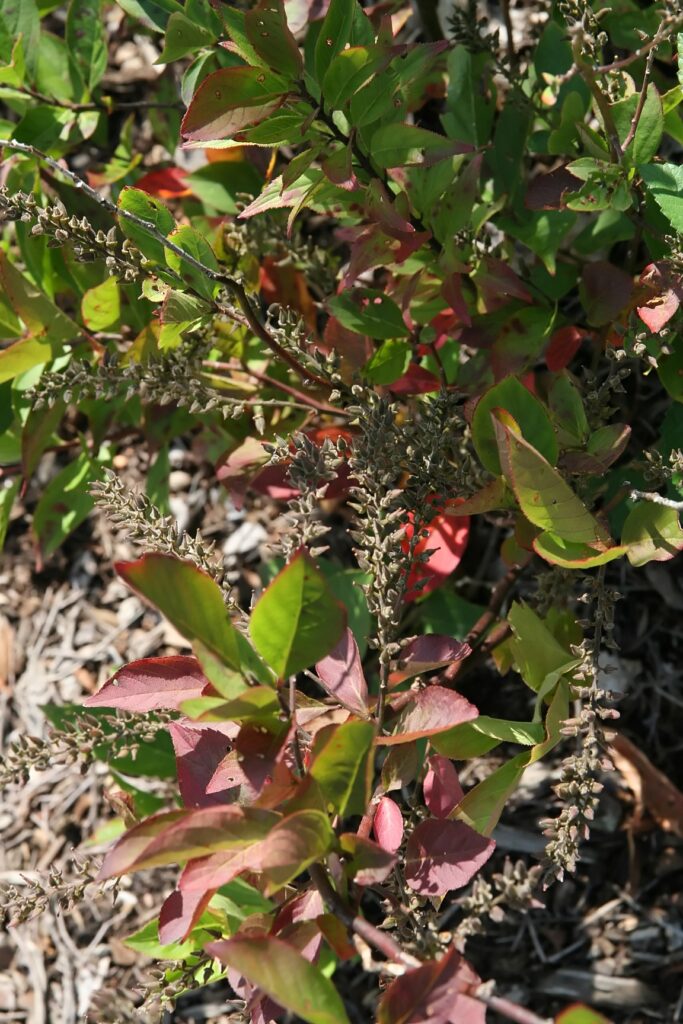
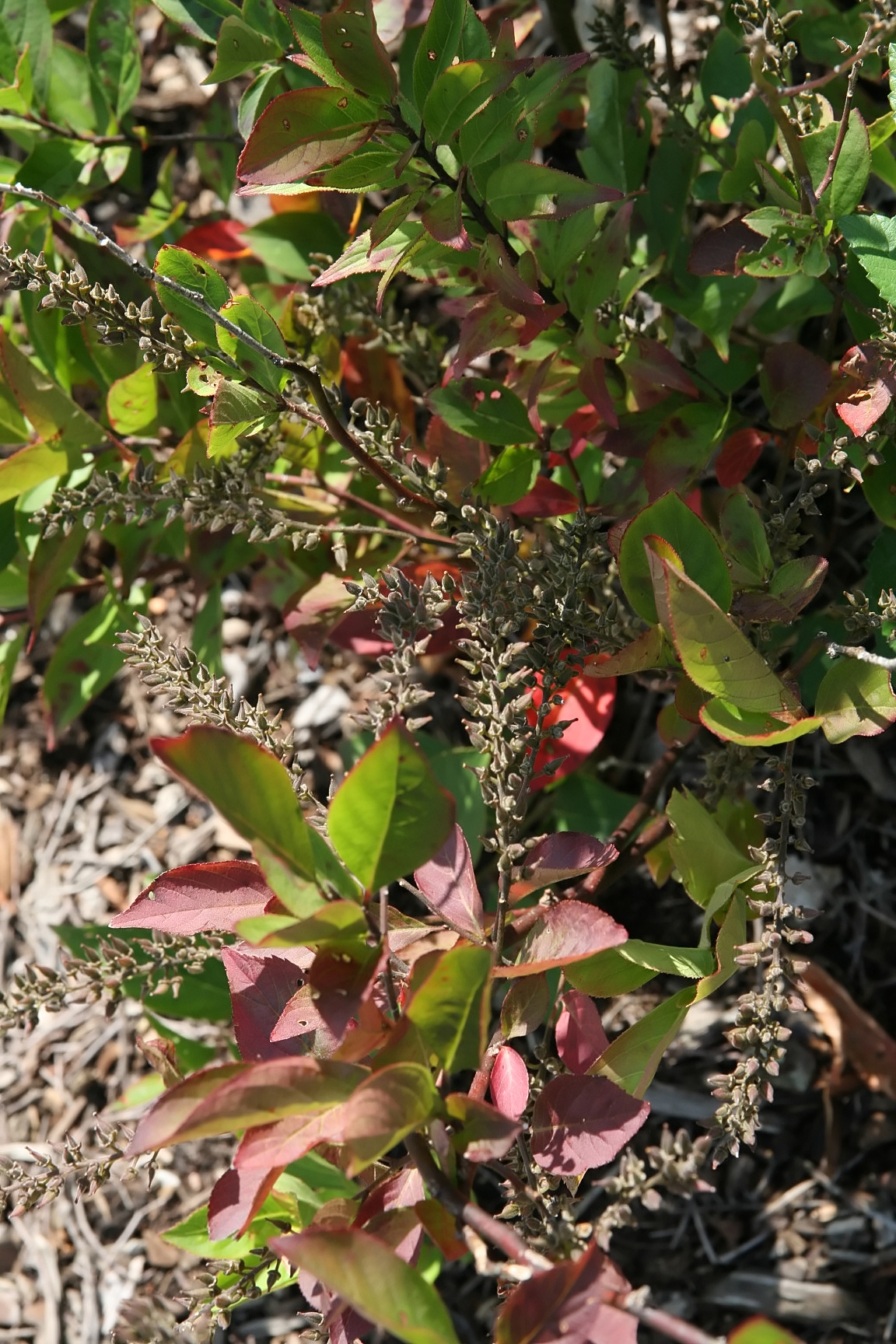
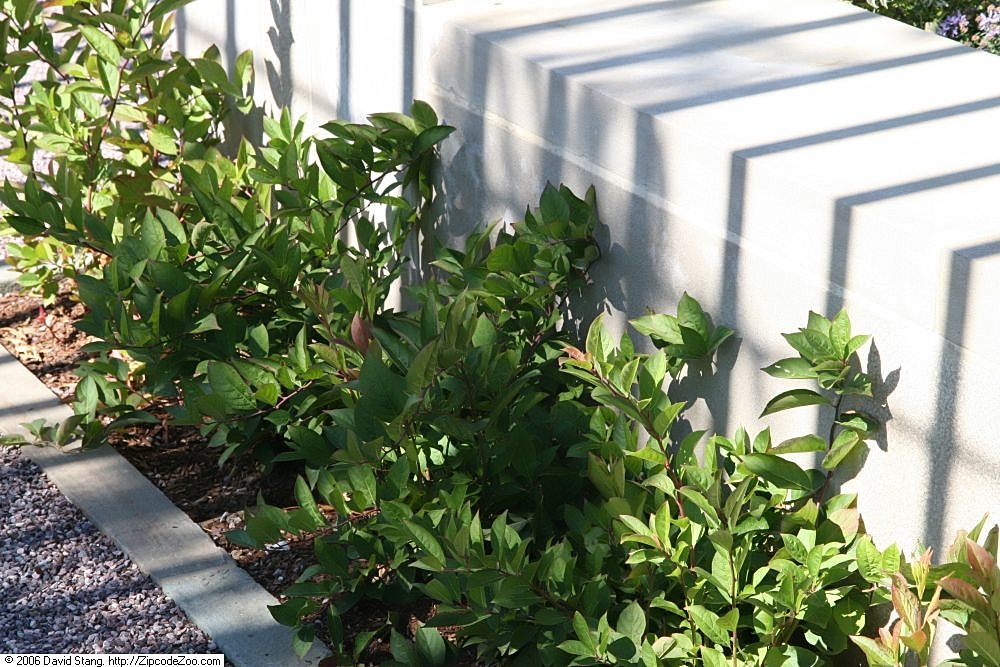
For this comparison, the plant is Little Henry Virginia sweetspire, Itea virginica ‘Sprich’. Oregon State University describes Little Henry as a low-growing, spreading cultivar reaching roughly 2–4 feet tall. That is a mature-height description, not a promise about what a particular container will contain or how tall it will become by year five. (landscapeplants.oregonstate.edu)
Regional suitability comes first. University of Maryland Extension identifies Virginia sweetspire as adapted to Maryland’s Coastal Plain, with sun-to-shade tolerance and a preference for moist conditions. It also spreads by root suckering. These traits make it a candidate for the illustrative Maryland bed below—not a universal recommendation for every U.S. yard. (extension.umd.edu)
Before requesting prices, record sunlight, soil moisture, drainage, available width and nearby structures. A more expensive plant is not a substitute for a suitable site.

2. Keep quantities and spacing consistent
To isolate the cost of purchase size, use the same number of plants in the same positions.
Our hypothetical comparison assumes:
- A freestanding, 16-by-8-foot bed, totaling 128 square feet.
- A Maryland Coastal Plain location with suitable light and moisture.
- Eight Little Henry sweetspires.
- Two rows of four plants, on a 4-foot center-to-center grid, with centers 2 feet inside the edges.
- No existing plants requiring removal and no drainage reconstruction.
These are budgeting assumptions, not a site-specific planting prescription. Confirm the layout against the chosen cultivar’s expected spread, boundary clearances and spreading habit before ordering.
NC State Extension recommends planning initial spacing around mature plant size rather than crowding plants for an instant effect. It also warns that planting extra shrubs with the intention of thinning them later increases initial spending, while the thinning may never happen. (content.ces.ncsu.edu)
That creates two different purchasing questions:
- Same layout, different purchase sizes: What does additional starting size cost?
- Different layouts or quantities: What does each complete design cost?
Do not mix them. Twelve small shrubs versus eight larger shrubs is a design comparison, not simply a plant-size comparison.

3. Compare dated prices for the same cultivar
For a consistent published-price example, Pixies Gardens in Conyers, Georgia, displayed these single-plant options for Little Henry sweetspire when checked on November 29, 2026:
| Purchase option | Published price per plant, USD | Hypothetical quantity | Plant subtotal |
|---|---|---|---|
| Plan A: 1-gallon | $59.99 | 8 | $479.92 |
| Plan B: 5-gallon | $199.99 | 8 | $1,599.92 |
| Plan B premium | $140.00 | 8 | $1,120.00 |
These are one Georgia seller’s online prices, not Maryland installed-cost estimates or a national average. The calculations exclude tax, delivery and installation. Confirm destination eligibility, stock, discounts and the final delivered price before purchasing. (pixiesgardens.com)
The listing does not establish the actual height, canopy width or root condition of the individual plants you would receive. Therefore, this example calls the 5-gallon option larger stock, not a verified fully mature specimen.
Request current photographs and written dimensions for both sizes. Your practical question is: What visible difference does the premium actually buy?
If the larger option does not provide the starting appearance you need, container size alone is a weak reason to pay more.
4. Price the installation scope separately
Ask both bidders to price the same bed preparation. Otherwise, a cheaper plant package may conceal a thinner installation scope.
Use these headings in your estimate request:
| Scope item | What to ask the contractor to specify |
|---|---|
| Existing surface | Turf or weed removal, disposal and treatment of persistent problems |
| Soil assessment | Soil testing and the basis for any proposed amendments |
| Preparation | Exact area treated and any compaction or drainage concerns |
| Delivery | Freight, unloading and delivery location |
| Access | Gate widths, stairs, slopes and carrying distance |
| Installation | Plant quantities, specifications, placement and cleanup |
| Restoration | Repair of disturbed lawn, edging or access routes |
University of Maryland Extension recommends soil testing before planting. It distinguishes improving a deficient planting area from enriching individual planting holes, and cautions against adding organic matter only to the hole. Its guidance also calls for underground utility locations before digging. (extension.umd.edu)
Ask for separate installation prices for each stock size rather than assuming identical labor. Have the contractor explain any difference in handling, equipment or access requirements.
Keep unrelated improvements visible. New edging, drainage correction and replacement topsoil should not disappear inside an unexplained “planting allowance.” If they are necessary, obtain a defined scope and price.
For substantial grading, drainage or structural concerns, obtain an appropriate professional assessment rather than asking a planting crew to improvise a solution.
5. Budget watering and mulch without assuming savings
Both plans need an establishment-care arrangement. Decide who checks moisture, who waters during absences, and whether the installer provides follow-up visits.
Maryland Extension advises checking soil moisture daily during the first two weeks after planting and at least weekly during the first two years, watering according to soil conditions. Those are inspection intervals, not instructions to water automatically every time. Weather, soil and plant conditions determine the need. (extension.umd.edu)
For either plan, request:
- A written watering handover.
- Separate pricing for any hose, drip equipment or controller.
- Confirmation of who adjusts and repairs irrigation.
- A method for recording water use if you want to compare costs.
Do not assign the smaller plants a fixed percentage of water savings without supporting measurements.
Mulch also needs a quantity, not merely a line saying “included.” For the hypothetical 128-square-foot bed, a uniform 2-inch layer represents:
128 × (2 ÷ 12) = 21.3 cubic feet, or approximately 0.79 cubic yard.
That is a gross geometric quantity before allowing for plant bases, existing material, packaging or delivery increments. Maryland Extension recommends keeping mulch shallow—generally 1–3 inches—and warns against excessive buildup. (extension.umd.edu)
In later years, inspect the remaining depth before ordering more. Budget for assessment and replenishment as needed, not an automatic full-depth layer every spring.
6. Build a five-year allowance, not a growth forecast
For this example, “five years” means installation plus care through the end of the fifth growing season.
Use the following assumptions for both plans. They deliberately avoid predicting which plants will grow faster, survive or close the gaps first.
| Period | Maintenance assumption for both plans | Budget treatment |
|---|---|---|
| Installation | Same prepared bed and initial mulch specification | Obtain itemized local quotes |
| First two weeks | Daily moisture checks; water as needed | Record owner time or paid visits |
| Remainder of years 1–2 | At least weekly moisture checks; weather-responsive watering | Record labor and actual water use |
| Years 3–5 | Continue condition-based moisture monitoring | Do not assume irrigation becomes unnecessary |
| Each year | Inspect weeds, mulch depth, spread and clearance | Agree on inspection frequency and hourly or visit rates |
| As needed | Pruning and replacement work | Price separately; retain written warranty terms |
The moisture-check assumptions follow Maryland Extension guidance; the remaining visit arrangements are proposed budgeting choices, not prescribed service frequencies. (extension.umd.edu)
For sweetspire, allow for inspection of spreading shoots rather than budgeting only for shearing. Maryland Extension notes its colony-forming habit and advises pruning after flowering when pruning is desired. (extension.umd.edu)
A simple replacement stress test makes the financial exposure visible:
| Plant-purchase budget, USD | Plan A: 1-gallon | Plan B: 5-gallon |
|---|---|---|
| Initial eight plants | $479.92 | $1,599.92 |
| Reserve equal to one additional plant at the same published price | $59.99 | $199.99 |
| Initial plants plus reserve | $539.91 | $1,799.91 |
This is not an expected failure rate. It is an optional reserve, held at the observed prices for comparison. Future prices, replacement delivery, removal and replanting labor remain unknown. If no replacement is needed, the reserve remains unspent. The figures are calculated from the published nursery prices above. (pixiesgardens.com)
The full comparison is:
Five-year budget = initial plants + site preparation + delivery + installation + care + water + replacement allowance.
With the one-plant reserves included, the plant-budget difference is $1,260. If every other cost were equal, Plan A would retain that budget advantage. Any claimed maintenance benefit for Plan B should therefore be stated and priced—not assumed.
7. Check estimates before paying for larger plants
The Federal Trade Commission recommends obtaining multiple written estimates describing the work, materials, completion date and price. It also advises checking licensing and insurance and asking why bids differ substantially. (consumer.ftc.gov)
For this planting project, add these checks:
- Identity: Does each estimate name the same cultivar?
- Starting size: Are container size and actual plant dimensions documented?
- Quantity: Does the written count match the drawing?
- Care: Who handles moisture checks, watering and irrigation adjustments?
- Extras: Are soil work, delivery, mulch and cleanup included or excluded?
- Replacement: Does coverage include only the plant, or also removal, delivery and labor?
- Appearance: Has the supplier shown the actual stock rather than only a mature promotional photograph?
Avoid three expensive comparison mistakes: buying extra shrubs to hide temporary gaps, treating “5-gallon” as proof of maturity, and comparing a plant-only price with a complete installed proposal.
Choose smaller stock when the documented starting appearance is acceptable and the complete budget works better. Consider larger stock when its verified dimensions provide an immediate benefit you value enough to fund.
The decision should rest on the delivered plant specification and five-year scope, not an unsupported promise that either plan will look a certain way by year five.